
Hebron Afromontane Forest Arboretum
"Hebron — to bind people and nature, to bring together"
The Hebron Afromontane Forest Arboretum is the first of its kind in Africa, showcasing a wide variety of indigenous tree species found in the southern Cape Afromontane forests.
The Afromontane flora is a unique vegetation unit, or phytochoria, first clearly defined and mapped across the continent by the British botanist Frank White (1927 - 1994), whose pioneering work on African regional floras in the mid-20th century remains the foundation of our understanding of these remarkable forests.
Following the spine of Africa's mountains from the Western Cape to the Drakensberg range, the Zimbabwean highlands, the mountain massifs of Malawi, Tanzania and Kenya, the Ethiopian highlands, Angolan highlands and the Cameroonian highlands, this distinctive flora forms a green thread linking diverse landscapes and climates.
Only in the Western Cape do Afromontane forests reach the coastline, where they form dense, tall forests comprising about 87 tree species.

The Hebron Afromontane Forest Arboretum was established to celebrate and commemorate this remarkable flora, a biodiversity hotspot with over 75% of plant species endemic to this phytochoria.
Due to ongoing human pressure, Afromontane forests are under threat.
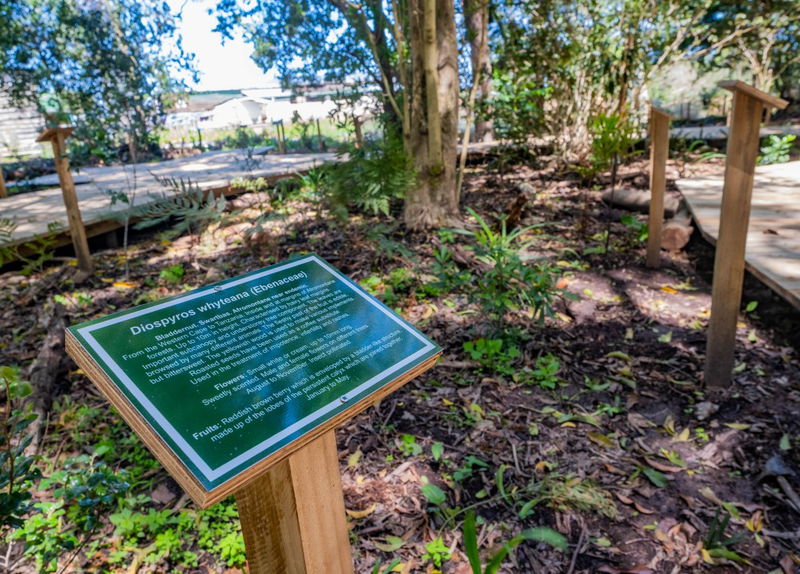
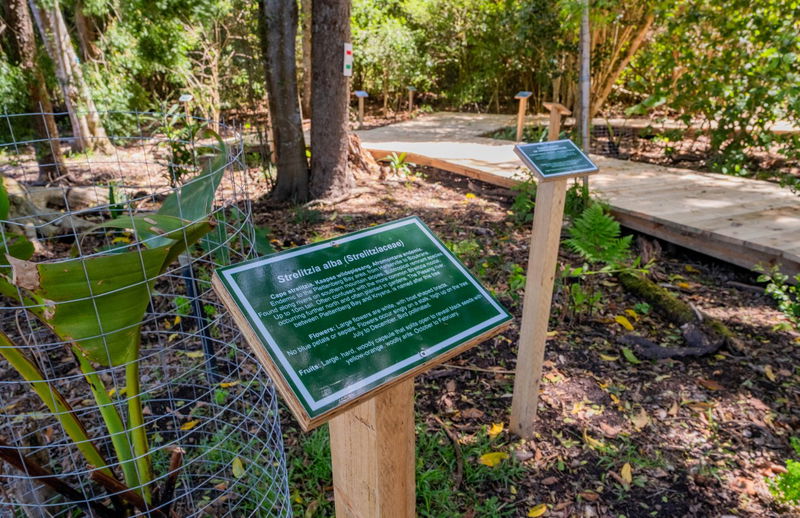
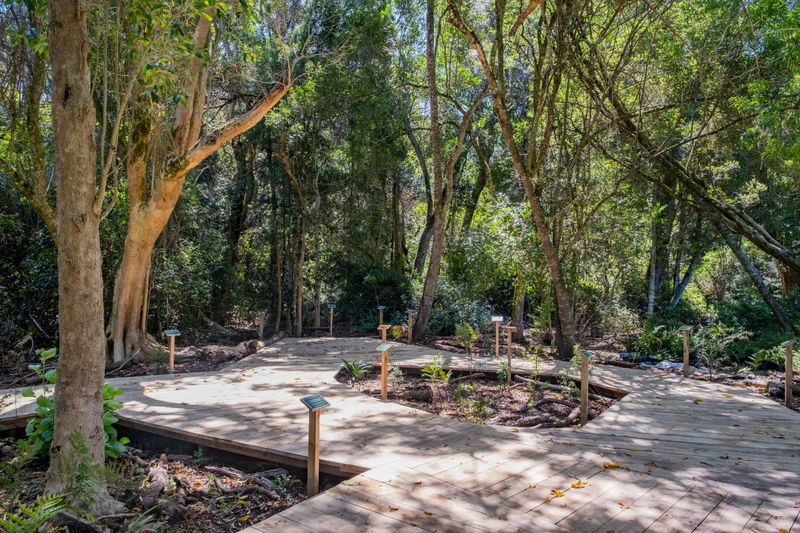
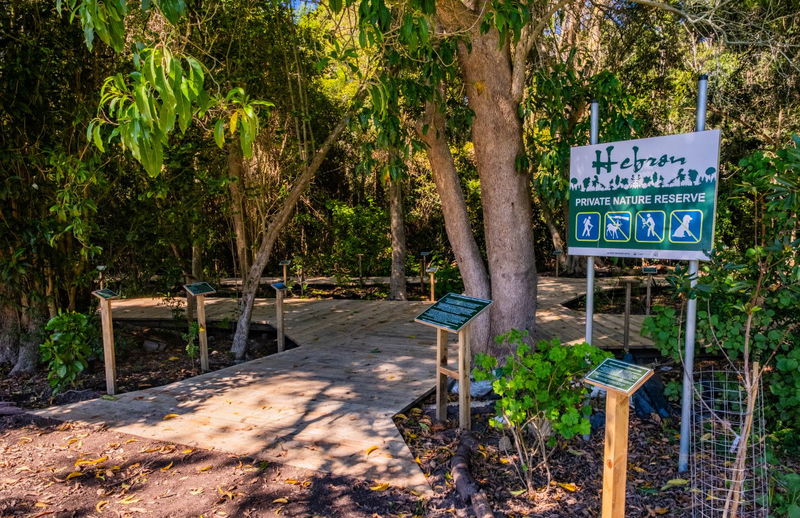
Here, we present the near full suite of Afromontane tree species occurring in the southern Cape forests, with information boards for each tree.
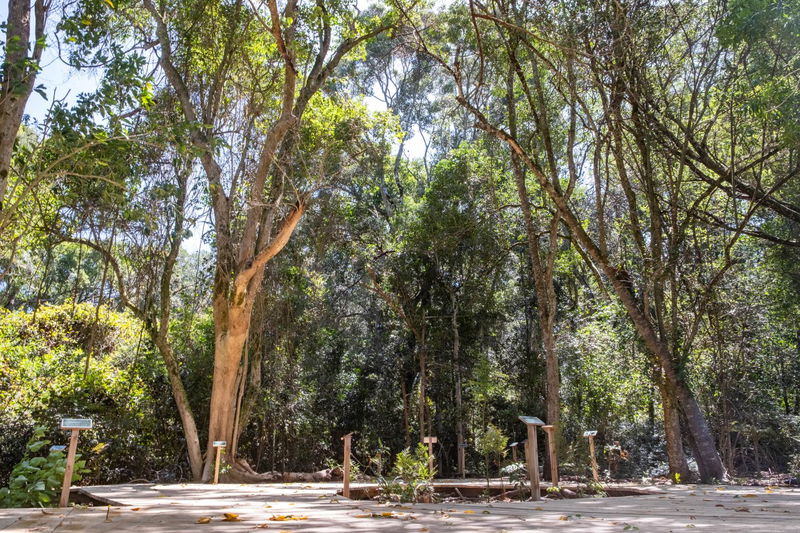
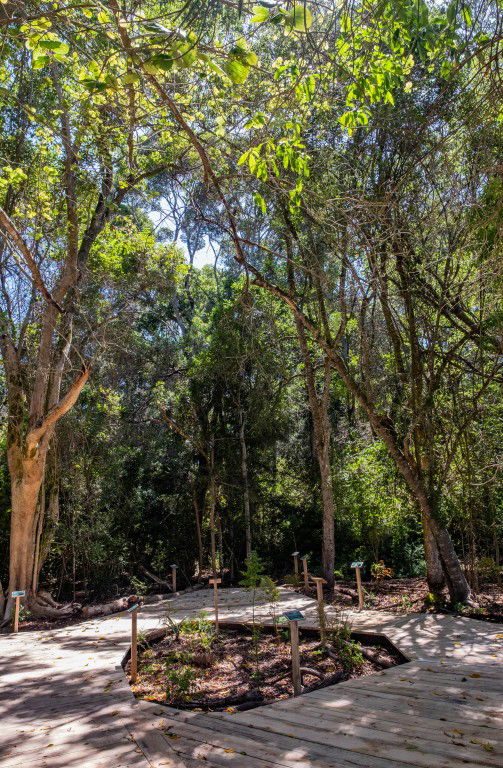
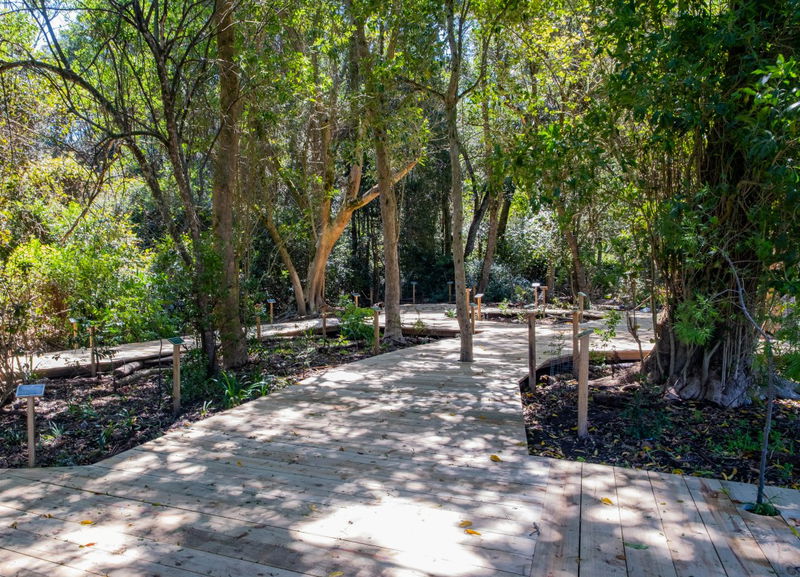
This is the only Arboretum in Africa to bring together this unique assemblage of tree species in such close proximity in the shade of massive Forest Elders and Yellowwoods.
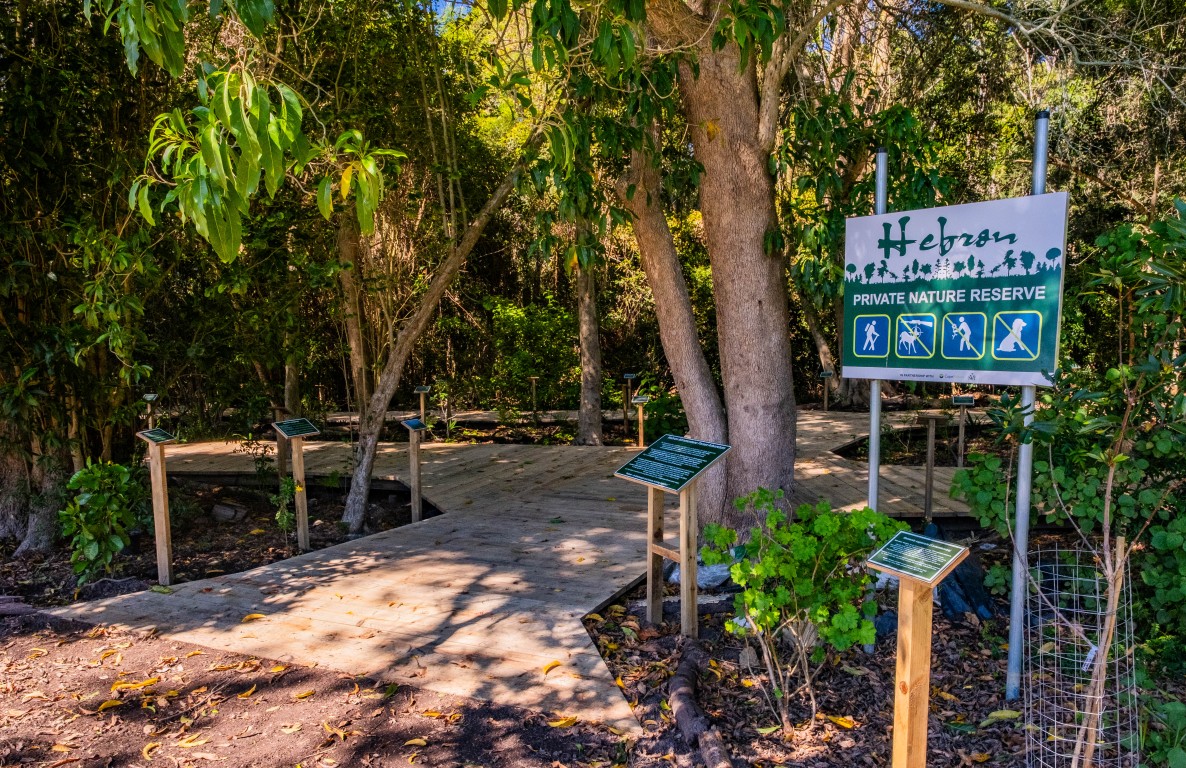
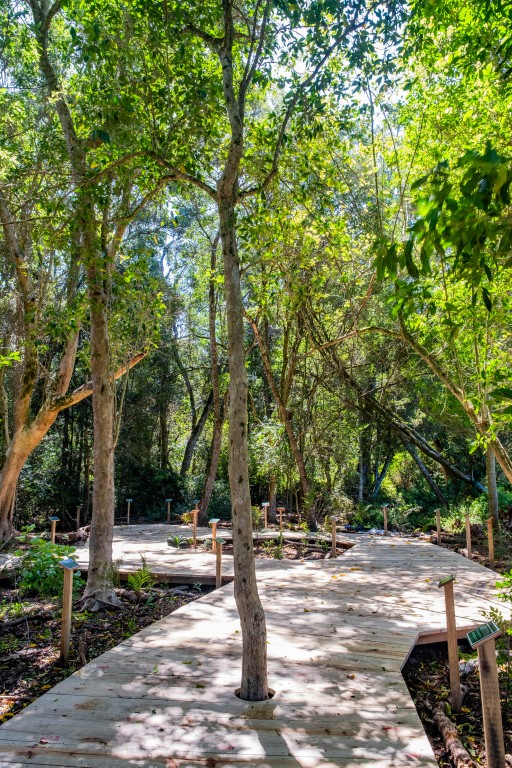
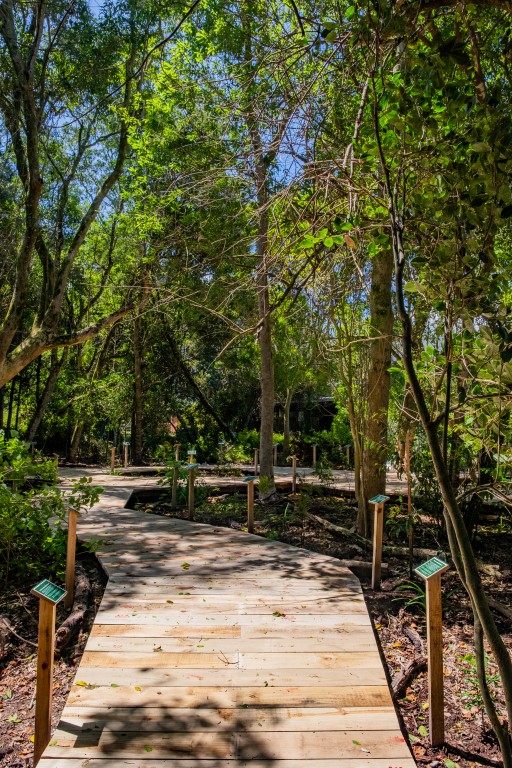
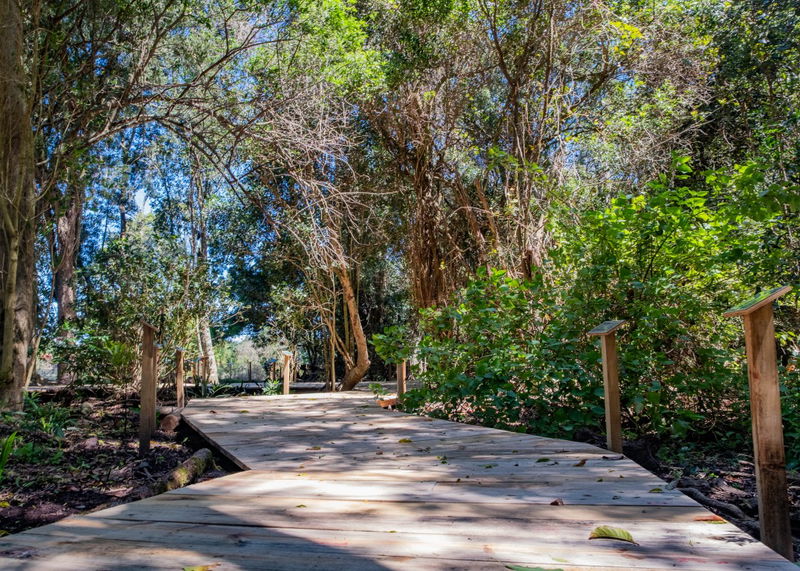
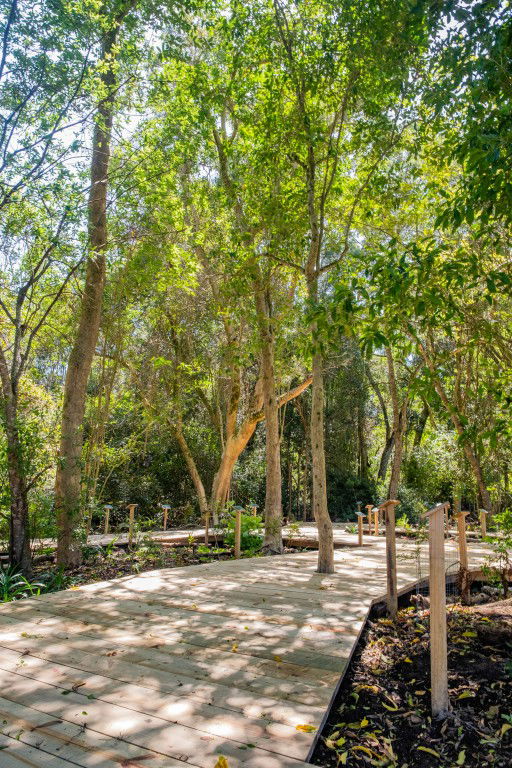
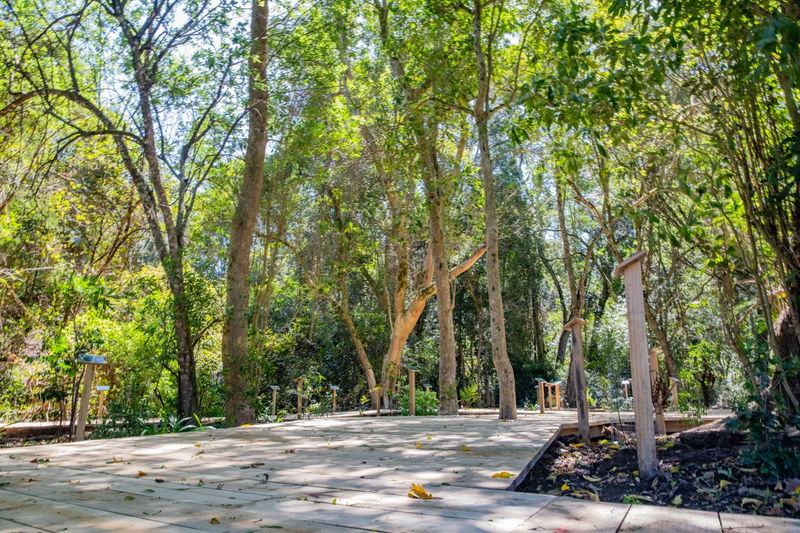
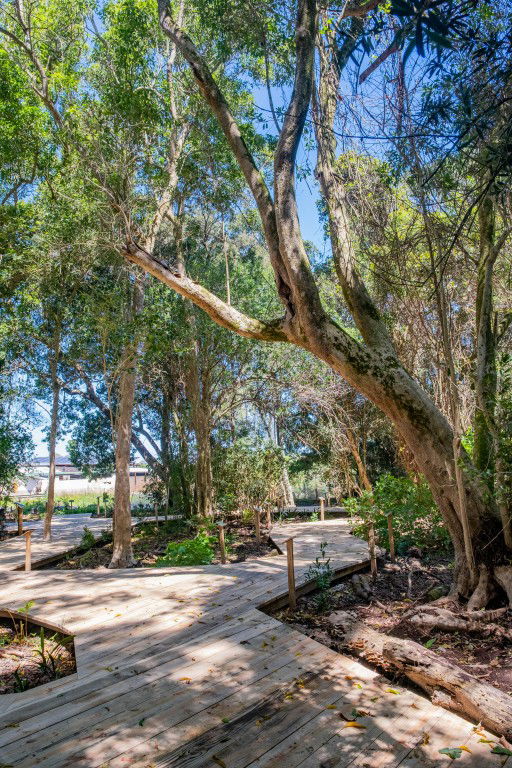
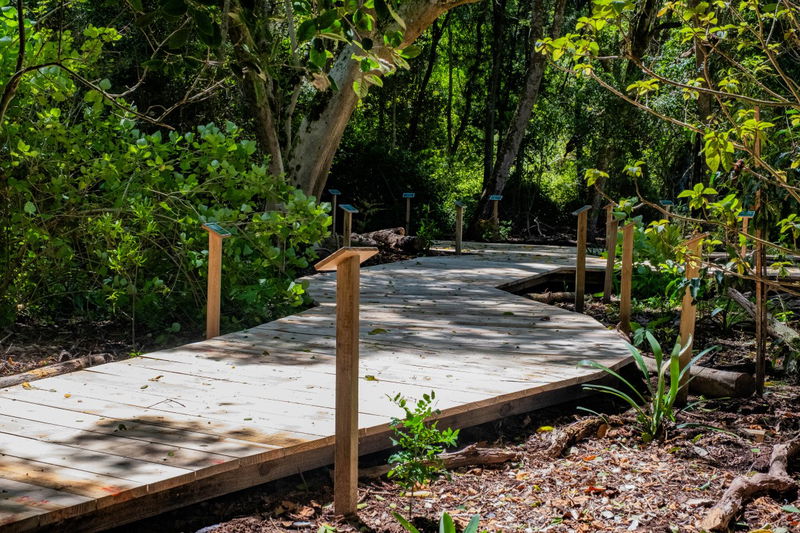
Visitors can explore the Arboretum on a wheelchair-friendly wooden walkway that provides safe access while allowing the forest floor soil processes to occur without disturbance.
We hope visitors find joy, wonder and inspiration in exploring the exceptional diversity of our indigenous Afromontane trees.
Forests in South Africa
South Africa’s Forest biome is the smallest in the country, covering less than 0.56% of the surface area. Due to its fragmented state and small extent of occurrence, it is also one of the most vulnerable biomes.
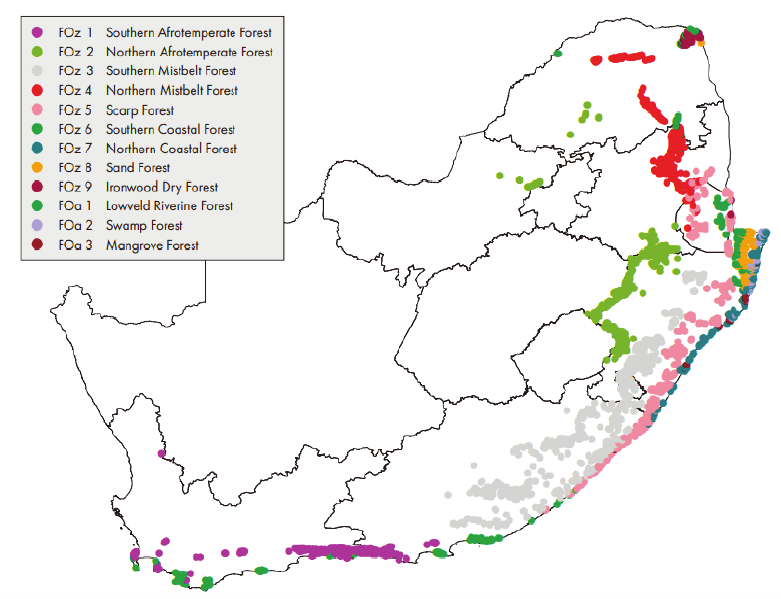
Southern Afrotemperate forests occur mainly in the Western and Eastern Cape provinces, with some small outliers in the Northern Cape (purple dots on map). In the southern Cape region, these forests occupy about 70 000 hectares, although comprised of many patches of different sizes. The single largest forest is north of Knysna, the Diepwalle forest, at about 25 000 hectares in size. This area is commonly known as the Knysna-Tsitsikamma forest region. Forests in South Africa are second only to fynbos in terms of plant species richness per area. Our forests are some of the most species rich forests compared to other southern temperate forests, such as those in Chile, New Zealand, Australia and New Caledonia.
The Hebron Private Nature Reserve is a medium-moist indigenous forest of the Southern Cape Afrotemperate forests, part of the broader Afromontane (African Mountain) forest group, which are found across the African continent at high elevations, for example the Eastern Zimbabwean Highlands, Mount Mulanje in Malawi, Mount Kilimanjaro and the Ethiopian Highlands.
These are ancient forests, and highly fragmented, which have seen expansion and contraction in relation to paleo-climates. The tree species show linkages to tropical Africa, as well as to other southern hemisphere forests. Red Alder (Cunonia capensis) has its closest relatives on New Caledonia, whereas White Alder (Platylophus trifoliatus) has its closest relative on the island of Tasmania!
 The stem of Ochna arborea is characteristically without much bark, with unique patterning, and is icy-cold to the touch.
Hebron Forest boasts with at least 47 tree species – incredible diversity on such a small reserve. Some typical Afromontane components include Apodytes dimidiata (White Pear), Curtisia dentata (Assegai), Nuxia floribunda (Forest Elder), Ocotea bullata (Stinkwood) and Rapanea melanophloeos (Cape Beech / Boekenhout).
Ochna arborea (Cape Plane / Coldbark) is fairly common in Hebron Forest – be sure to touch the stem of the tree, or press your cheek up against it – and feel the icy coldness. Ocotea bullata (Stinkwood) hosts tiny structures on the base of the leaf called domatia, these shelter predatory mites defending the tree against herbivory. The leaves of Olinia ventosa (Hard Pear), release a sharp, almond-like scent when crushed, due to cyanogenic compounds. Pterocelastrus tricuspidatus (Candlewood) lives up to its name: its resin-rich wood burns readily, making it highly flammable and once useful for torches.
Tree species of Hebron Forest
(Scientific name, English name, Afrikaans name)
Afrocanthium mundianum, Rock Alder, Klipels
Afrocarpus falcatus, Outeniqua Yellowwood, Outeniekwa Geelhout
Apodytes dimidiata, White Pear, Witpeer
Buddleja saligna, False Olive, Witolienhout
Buddleja salviifolia, Sagewood, Saliehout
Burchellia bubalina, Wild Pomegranate, Wildegranaat
Calodendrum capense, Cape Chestnut, Kaapse Kastaiing
Canthium inerme, Turkey Berry, Bokdrol
Curtisia dentata, Assegai, Assegaai
Diospyros dicrophylla, Star Apple, Sterappel
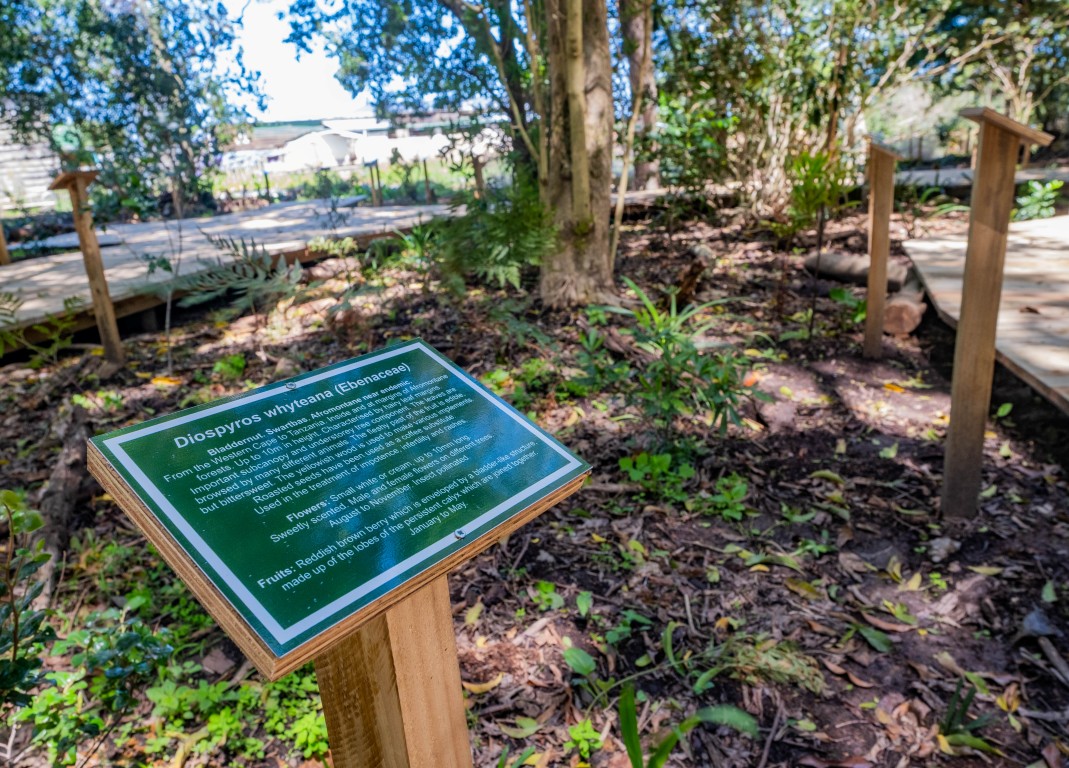
Diospyros whyteana, Bladdernut, Swartbas
Ekebergia capensis, Cape Ash, Essenhout
Elaeodendron croceum, Saffron, Saffraan
Ficus burtt-davyi, Scrambling Fig, Rankvy
Gonioma kamassi, Kamassi, Kamassie
Grewia occidentalis, Crossberry, Kruisbessie
Gymnosporia nemorosa, White Forest Spike-thorn, Witbospendoring
Halleria lucida,Tree Fuchsia, Notsung
Kiggelaria africana, Wild Peach, Wildeperske
Lachnostylis hirta, Coalwood, Koolhout
Lauridia tetragona, Climbing Saffron, Ranksaffraan
Maytenus acuminata, Silky Bark, Sybas
Maytenus peduncularis, Cape Blackwood, Kaapse Swarthout
Nuxia floribunda, Forest Elder, Bosvlier
Ochna arborea, Cape Plane / Coldbark, Kaapse kouebasrooihout
Ocotea bullata, Stinkwood, Stinkhout
Olea capensis capensis, Small Ironwood, Baster Ysterhout
Olea capensis macrocarpa, Ironwood, Ysterhout
Olinia ventosa, Hard Pear, Hardepeer
Pittosporum viridiflorum, Cheesewood, Kasuur
Podocarpus latifolius, Real Yellowwood, Opregte Geelhout
Psydrax obovata, Quar, Kwar
Pterocelastrus tricuspidatus, Candlewood, Kershout
Rapanea melanophloeos, Cape Beech, Boekenhout
Rhamnus prinoides, Glossy Leaf, Blinkblaar
Robsonodendron eucleiforme, False Silky Bark, Vals Sybas
Rothmannia capensis, Wild Gardenia, Wilde Katjiepiering
Scolopia mundii, Red Pear, Rooipeer
Scutia myrtina, Cat Thorn, Katnaels
Searsia chirindensis, Forest Currant, Bostaaibos
Searsia lucida, Glossy Crowberry, Blinktaaibos
Strelitzia alba, Cape Banana, Kaapse wildepiesang
Tarchonanthus littoralis, Coastal Camphor, Kus Kamfer
Trichocladus crinitus, Black Witch Hazel, Onderbos
Trimeria grandifolia, Wild Mulberry, Wildemoerbei
Vepris lanceolata, White Ironwood, Witysterhout
Virgilia oroboides, Blossom Tree, Keurboom
Zanthoxylum davyi, Knobwood, Bosperdepram
Read more about Conservation Efforts at Hebron Private Nature Reserve
Explore the Hiking Trails of Hebron Private Nature Reserve


Share This Page